House hunting in Cork right now often comes down to a choice. On one side, a bright, energy efficient new build with an A or B rating and a price tag to match. On the other, a characterful older home with a D or E rating and a much more tempting asking price. It’s easy to assume the older home just needs a bit of attic insulation and a new boiler to catch up. Often, that’s not quite the full story.
More often than not, a low BER on an older property is telling you something about the building itself, not just its heating bills. And that’s where a structural engineer’s eye can be just as useful as the energy assessor’s when you’re trying to work out what a home will really cost you.
What a BER rating actually tells you (and what it doesn’t)
A Building Energy Rating, or BER, measures how energy efficient a home is, on a scale from A to G. It’s a legal requirement for any home being sold or rented in Ireland, and it’s a useful starting point for comparing properties. BER certificates are issued only by SEAI registered assessors, and that’s not something BCE does or has any involvement in.
What a BER rating doesn’t tell you is the underlying condition of the property. It won’t tell you whether the walls, roof, or foundations are sound, or whether getting that home up to a decent standard is a straightforward insulation top-up or something more involved. Two homes with the same D rating can be in very different states of repair.
Why older Cork homes so often land on a low BER
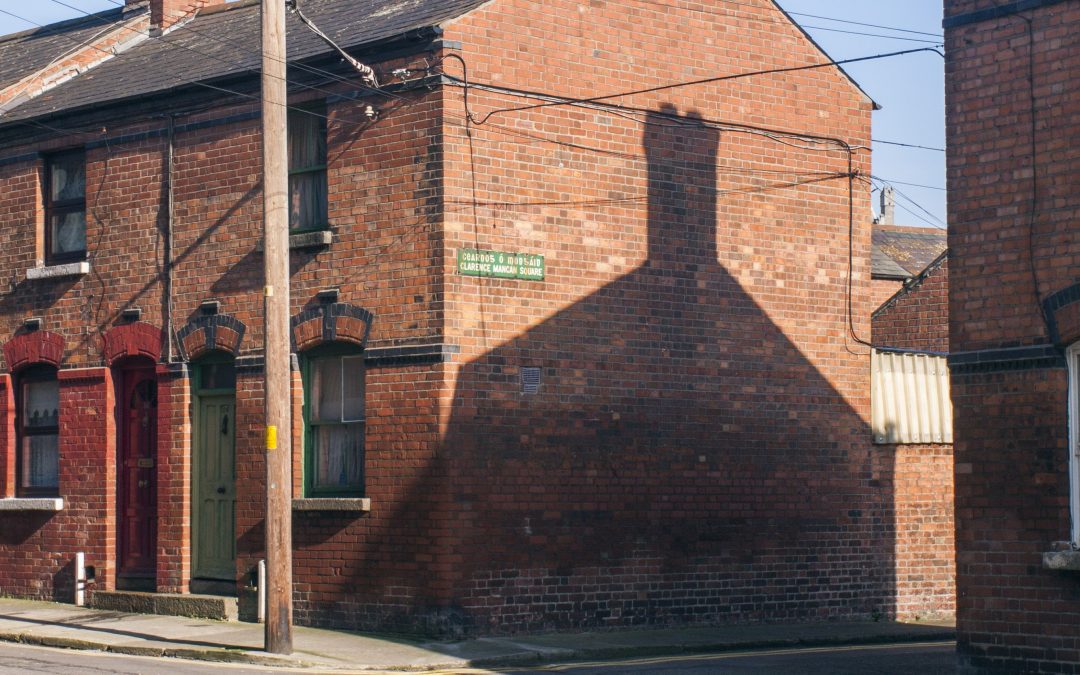
A large share of Cork’s housing stock predates modern building regulations and insulation standards, particularly in older city neighbourhoods like Sunday’s Well, Montenotte, St Luke’s, and Blackrock, where you’ll find plenty of Victorian and Edwardian era homes still in daily use. A survey will often turn up a familiar list of culprits: solid stone or block walls with no cavity insulation, damp coming in somewhere, poor or missing roof insulation, draughty original windows, and heating systems well past their best.
The point worth taking on board here is that a low BER on an older home is rarely down to one simple fix. It’s usually a combination of structural and fabric issues working together, and it’s worth understanding which ones you’re actually dealing with before you commit to a price.
Why this matters for your budget as a buyer
A D or E rated home can look like a bargain next to a newer, higher rated one. But bringing a property up to a decent standard, insulation, ventilation, and sometimes structural work to deal with damp, can easily run to a five-figure sum once you add it all up.
Understanding what’s actually driving a low rating gives you something to work with. It puts you in a stronger position to negotiate, or at the very least to budget realistically, rather than being caught out six months after you’ve moved in.
Where a pre-purchase survey fits in
A structural survey doesn’t replace a BER assessment, and it’s not trying to. What it does is explain the physical condition sitting behind the number. Damp, gaps in insulation, the state of the roof, and any unauthorised alterations that could complicate future retrofit work are all things a survey picks up that a BER cert won’t flag.
If you’re weighing up an older home and the BER has you wondering what you’re really taking on, get the structural picture first. It tends to save a lot of guesswork later.
You’ve just picked up the keys, or you’re about to, and your snag list has come back with a page full of issues. A door that doesn’t sit right. Patchy paintwork. A window that won’t seal properly. It’s a stressful moment, especially when the whole process of buying a new build already feels like it’s taken every ounce of patience you have. Take a breath. Snags on a new build are normal, and in most cases, entirely manageable.
Here’s what’s reasonable to expect fixed, what your timeline actually looks like, and what your options are if the builder isn’t moving fast enough.
Why your snag list has more leverage than you think
Most buyers assume the real power sits with the builder once contracts are signed. In practice, you have more leverage at this stage than you might think, and it’s worth using it before the money changes hands, not after.
Your solicitor can hold back part of the closing balance until outstanding snags are resolved. This is a standard protection built into new build purchases in Ireland, and it exists precisely for situations like this. If your snag list has come back with a list of items that still need attention, this is the moment to raise it with your solicitor and use that leverage. Once you’ve handed over the full balance and moved in, your position weakens considerably. The builder has been paid, and getting outstanding work prioritised becomes a matter of goodwill rather than contractual obligation.
If you’re still mid transaction, this is worth flagging early. Your solicitor can advise on how best to structure this for your specific contract.
What’s reasonable to expect fixed
It helps to go in with realistic expectations rather than assuming a snag list means something has gone badly wrong. Cosmetic and functional issues are common on new builds and normally get addressed without much pushback from the builder. Think uneven paintwork, doors that haven’t been hung quite straight, or poor sealing around windows and doors. These are the bread and butter of any snag list, and a reasonable builder will fix them as a matter of course.
What you shouldn’t expect is a completely clean re-inspection. Some items will get fixed outright. Others might get explained to you as being within normal tolerance for construction work, which is sometimes a fair point and sometimes worth pushing back on. The goal isn’t perfection. It’s making sure the genuine issues get sorted and the reasonable exceptions are actually reasonable, not the builder trying to wriggle out of a fix.
The timeline you’re working with
Snagging generally needs to happen within about 14 days of the Completion Date, so there’s a real window here, not an open-ended one. That might sound tight when you’re also juggling removals, mortgage drawdown, and everything else that comes with moving, but it’s there for a reason. It gives you a defined period to raise issues while you still have some contractual weight behind you.
If you don’t get your snag list done within that window, you’re not necessarily out of options, but you lose some of the natural leverage that comes with an active, live process. This is exactly why booking your snag list inspection early matters. Don’t leave it to the last few days before completion. The earlier you get an independent set of eyes on the property, the more room you have to actually act on what comes back.
What your structural guarantee covers if something’s missed later
A snag list catches what’s visible right now. It’s not designed to catch problems that only show up months or years down the line, and that’s where your structural guarantee comes in as a backstop.
Most new builds in Ireland come with a tiered guarantee structure. Broadly speaking, you’ll typically have a shorter initial period that covers things like loss of deposit protection, a mid-length period that covers issues such as water ingress or latent defects that weren’t apparent at completion, and then a longer structural guarantee that runs for years and covers major structural elements of the home.
The exact terms vary depending on your specific guarantee provider, so it’s worth having your solicitor or the guarantee documentation on hand if something comes up later. The point to take from this is simple: your snag list is about what you can see and fix now, and your guarantee is what protects you if something you couldn’t have known about shows up after you’ve moved in.
If the builder pushes back or drags their feet
Most builders want to get snags sorted and move on, but it doesn’t always go smoothly. If you’re finding the response slow or half hearted, a few practical steps help.
Put your follow ups in writing. A dated email or letter setting out what was raised and when creates a clear record if things drag on. Once the builder says an item has been fixed, go back and re-inspect it rather than taking their word for it. If progress genuinely stalls, that’s the point to loop in your solicitor, who can advise on next steps given your specific contract.
If you’re not confident the fixes have actually resolved the issue, or you’d simply like an independent opinion before you sign off, it’s worth bringing in a second, impartial set of eyes rather than relying solely on the builder’s assurances.
If your snag list has come back with issues and you’re not sure what’s reasonable, or you want a second opinion before you sign off, get in touch with our team today.
If you’ve been putting off converting the attic or building a granny flat for an elderly parent because the idea of planning permission felt like more hassle than it was worth, the rules are about have just changed quite significantly. Ireland’s exempted development regulations are getting their biggest update in almost 25 years, and for homeowners across Cork, that could open up options that simply weren’t on the table before. Given how quickly this is moving, it’s worth understanding exactly what’s changed and, just as importantly, what isn’t.
What’s actually changing under the new exemptions
The Department of Housing has confirmed a number of changes to exempted development regulations, meaning certain works will no longer require planning permission at all. The headline changes include:
A new “auxiliary habitable dwelling” exemption, allowing a detached unit of between 32 and 45 square metres in a back garden, the kind of space that could suit an adult child or an elderly parent.
A sub-division exemption, allowing a home to be split to create one additional self-contained unit, provided it’s a minimum of 32 square metres.
Dormer roof box and roof light extensions, opening up more attic conversion options.
An increase in the maximum size for extensions, from 40 square metres up to 45 square metres.
Larger garden structures, with sheds, home offices and gyms increasing from 25 square metres up to 30 square metres.
For a lot of Cork homeowners sitting on older housing stock with gardens too small for a full build but big enough for something smaller, this is a meaningful shift.
One important catch: the auxiliary dwelling exemption isn’t open-ended. The development has to be both started and finished between 27 July 2026 and 31 December 2030, so this is a window, not a permanent change. It’s also worth knowing that the new home can’t be sold separately from the main house, can’t be used for short-term letting like Airbnb, and at least 25 square metres of private garden has to remain once it’s built. If you’re planning a project, it’s worth confirming your specific proposal meets every condition before you assume it’s exempt, since a small detail like height or garden space left over can be the difference between exempt and not.
Why “exempt from planning” doesn’t mean “no engineer needed”
This is probably the most important point in the whole update, and it’s one that’s easy to miss. An exemption from planning permission is not the same as an exemption from Building Regulations, Building Control requirements, or Fire Regulations. All of these still apply, including for a fully habitable auxiliary dwelling in your back garden.
A 45 square metre unit still needs proper foundations, sound structural design, and correctly specified services, whether or not it needed planning permission to go ahead. Skipping planning doesn’t mean skipping the engineering. If anything, it makes it more important to get proper drawings and structural input from the outset, since there won’t be a planning process to catch anything that’s been done incorrectly.
What this means if you’re buying or selling in Cork
If you’re on the buying side of the market, this is worth keeping in mind too. An auxiliary dwelling or a subdivided unit could affect a property’s rental status, its tax treatment, and what you actually think you’re getting when you view a house. Under caveat emptor, the onus is on the buyer to identify these things before contracts are signed, not after.
This is exactly where a pre-purchase survey earns its keep. It’s not unusual for work to have been carried out under one exemption or another without ever being properly built or certified, and a thorough inspection is often the only way that comes to light before you’ve committed to buying.
What to do if you’re thinking of building under the new exemptions
If any of this has you weighing up an extension, a garden room, or splitting your home into two living spaces, the sensible first step is to check your specific project against every condition of the exemption, since size limits, garden space, and height rules all have to be met together, not just one or two of them. From there, a feasibility check will tell you what’s realistic for your site and your budget. And regardless of the planning position, don’t assume “exempt” means you can skip the professional input. Getting the structural side right from day one will save you far more hassle than it costs.
If you’re thinking about adding a garden room, converting your attic, or splitting your home into two living spaces, get in touch and we’ll help you figure out what’s actually involved before you start.
Here’s something most people buying a second-hand home in Cork don’t think about until it lands on their solicitor’s desk, the maps attached to your property might not match what’s actually on the ground. Cork city has the oldest housing stock in Ireland, with an average dwelling age of 43 years against a national average of 31. Over 16,000 homes in Cork were built before 1919 and the city itself dates back to 915 AD.
Old properties come with old maps and old maps don’t always reflect reality. For a lot of buyers, a boundary issue is something they never consider until it threatens to delay or derail the whole purchase. The trouble is that a dispute left to surface late can hold up a sale, create friction with neighbours and cost far more to sort out than it would have to catch early.
Why do boundary disputes arise?
Most boundary problems aren’t dramatic. They build up quietly over decades and they tend to come from a handful of familiar situations.
Fences, walls and hedges move. A hedge that was planted as a rough marker 40 years ago creeps outward season after season. A wall gets rebuilt a foot to one side. None of it is deliberate, but it adds up. Extensions and outbuildings get built without anyone checking the original boundary. A previous owner adds a garage or a back extension and works off what looked right rather than what the deeds said.
The maps themselves are often the problem. Older deeds carry maps that were hand-drawn approximations rather than precise surveys, so the line on paper was never that accurate to begin with.
Shared driveways and laneways cause their share of trouble too, especially where ownership was never clearly established and two households have simply used the space for years. Sometimes a property has changed hands several times with no one ever actually checking the boundary, so a small discrepancy gets passed along, sale after sale, until it finally trips someone up.
Why Cork’s housing stock makes this more likely
This is where Cork’s age works against buyers. Because so many homes in the city and county predate modern mapping systems entirely, the paperwork attached to them was never built on precise measurement.
The maps on those older deeds were often rough sketches, good enough for their time but a long way from a proper survey. Layer on decades of change, hedges growing out, walls being rebuilt, neighbours making informal handshake agreements, extensions going up and you end up with a gap between what’s recorded and what exists. By the time a property reaches the market, what’s on paper and what’s on the ground can look like two different places. The older the home, the wider that gap tends to be.
What happens when a boundary dispute comes up during a property purchase?
In practice, a boundary issue usually surfaces during the legal stage, and it can bring momentum to a halt.
Your solicitor reviews the title maps and notices the boundaries don’t line up with what’s described, or with what you’ve seen on a viewing. That discrepancy must be resolved before they can give clear title. Mortgage lenders are cautious here too and an unresolved boundary question can cause them to pause drawdown until it’s sorted.
From there, a deal can slow to a crawl or fall through entirely, particularly if a neighbour gets involved and the question of who owns what becomes contested. The frustrating part is that almost all of this is far easier to deal with before contracts are signed than after. Once you own the property, the problem and the cost of fixing it, is yours. Identifying it early keeps you in a position to negotiate, to ask the seller to resolve it, or to walk away.
How a boundary survey can resolve it
A boundary survey takes the guesswork out of it. In plain terms, a qualified engineer visits the site, measures the physical boundary using proper survey equipment, cross-references those measurements against the title maps and produces a report that sets out clearly where the boundary lies.
That report gives you and your solicitor something concrete to work with instead of a vague sense that something doesn’t add up. It either confirms the boundary is where everyone assumed, which lets the sale move on, or it pinpoints exactly where the discrepancy is so it can be addressed properly. Our boundary survey service is built for exactly this kind of situation, and the reports are suitable for legal, planning, or Land Registry use.
When should you get a boundary survey?
The short version: if you’re buying a second-hand property in Cork, particularly an older one and there’s any ambiguity around the boundaries on the maps, it’s worth checking before you proceed. The same goes if there are physical features like walls, fences, or outbuildings sitting close to what looks like the boundary line.
It’s a small, sensible step on what is probably the biggest purchase of your life. If you’ve had a boundary query flagged, or you just want certainty before you commit, get in touch with our team and we’ll talk you through it.
If you’ve driven out past the Dunkettle interchange lately, you’ll have seen it: construction has begun on a major new development of 550 homes on the edge of Cork city. What’s telling isn’t just the scale of it. It’s how people are paying for them. Around 75% of buyers there are using the Help to Buy scheme, and 25% are using the First Home Scheme.That’s the reality of buying new in Cork right now. Most first-time buyers are leaning on at least one government scheme to get over the line, and a good number are stacking both. If you’re trying to make sense of all the acronyms, you’re not alone. This guide will explain how each scheme works, who qualifies and how they can work together.
What is the Help to Buy scheme?
The first thing to understand about Help to Buy is what it isn’t. It’s not a loan, and it’s not a grant. It’s a tax refund. Specifically, it refunds the Income Tax and DIRT (the tax on savings interest) you’ve paid over the previous four tax years and that money goes towards your deposit.The refund is capped at whichever is lower: €30,000, or 10% of the purchase price. So, on a €350,000 home, the most you could get is €30,000, while on a €250,000 home, you’d be looking at a maximum of €25,000.To qualify, you need to tick a few boxes. You must be a first-time buyer. The property must be a new build or a self-build, so second-hand homes don’t count. It must cost €500,000 or less. Your mortgage needs to cover at least 70% of the purchase price and you must live in the home as your main residence for at least five years.There’s good news on timing too. The scheme has been extended until the end of 2029, so there’s no rush to beat a deadline this year. To give a sense of scale, more than 46,000 Help to Buy claims have been approved between July 2020 and April 2026, benefitting close to 84,000 people. According to Revenue’s figures, the average value of an approved claim to date sits at around €362,700.
What is the First Home Scheme?
The First Home Scheme works in a completely different way. It’s a shared equity scheme, which means the government takes a percentage stake in your property in exchange for topping up the gap between what your mortgage and deposit can cover and what the home costs.Here’s the part that surprises people: there are no strict income caps. Instead, your eligibility is based on borrowing the maximum available to you from a participating lender, as set out in the scheme’s rules and eligibility. In other words, you apply for your full mortgage first and the scheme helps bridge whatever shortfall is left.The price ceilings are set locally, and Cork has two depending on where you’re buying. In Cork City Council areas, the ceiling is €500,000, and in Cork County Council areas it’s €450,000. So, a new build in Douglas or Blackpool falls under the city limit, while one out in Midleton or Carrigaline comes under the county figure.The participating lenders include AIB, Bank of Ireland, EBS, Haven, and PTSB. The scheme has been busy. Recent figures show more than 10,000 approvals have been issued since launch, with 1,037 in the first quarter of 2026 alone, and over €350m provided in total support. The average level of support works out at around €66,000, roughly 17% of the average purchase price of €390,000.
Can you use both schemes together?
Yes, and plenty of buyers do. In fact, national figures show around 66% of First Home Scheme users are also using Help to Buy. The two were designed to sit alongside each other.There’s one catch worth knowing. If you use both together, the maximum equity available through the First Home Scheme drops slightly, from 30% of the purchase price down to 20%. It’s a sensible rule, but it does catch people out, so it’s worth factoring in early.Here’s how it might look in practice. Say you’re buying a new build in Cork for €350,000. You claim the full €30,000 through Help to Buy towards your deposit. The First Home Scheme could then provide up to 20% of the purchase price, which is €70,000, to bridge any remaining gap between your mortgage and the price. Between the two, that’s a serious chunk of the cost covered without either one being a traditional loan from a bank.
What does this mean in practice for Cork buyers?
It means the supports are there and people are using them right now. That Dunkettle development is a live example: real buyers, this year, drawing on both schemes to buy new homes on the edge of the city.Cork is punching above its weight here too. Almost one in five First Home Scheme approvals nationally have been in Cork, which tells you how much these schemes are shaping the local market. If you’re a first-time buyer eyeing a new build anywhere from Ballincollig to Glanmire, the odds are good that one or both schemes will be part of your plan. The key is to map out your strategy early, ideally before you fall for a particular house, so you know exactly what you’re working with.
A note on getting an independent snag inspection
These schemes are brilliant for getting you through the door. But once you’re close to taking ownership of a new build, there’s one more step worth taking before you sign off.Even brand-new homes have defects. We see them regularly, from cosmetic issues like poor plastering and paint marks right through to bigger problems you’d never spot without a trained eye. That’s where an independent snag list inspection comes in. An engineer goes through the property in detail, identifies anything that isn’t finished or up to standard, and puts those issues back on the developer to fix before you accept the home. It’s a small step that protects a very big purchase.At BCE Consulting Engineers, we carry out snag list inspections on new builds across Cork City and County. We’re fully independent and members of Engineers Ireland, so the only interest we have is in giving you an honest assessment. If you’re buying a new home and want it checked properly before you take the keys, get in touch with our team today.
To provide the best experiences, we use technologies like cookies to store and/or access device information. Consenting to these technologies will allow us to process data such as browsing behavior or unique IDs on this site. Not consenting or withdrawing consent, may adversely affect certain features and functions.
Functional
Always active
The technical storage or access is strictly necessary for the legitimate purpose of enabling the use of a specific service explicitly requested by the subscriber or user, or for the sole purpose of carrying out the transmission of a communication over an electronic communications network.
Preferences
The technical storage or access is necessary for the legitimate purpose of storing preferences that are not requested by the subscriber or user.
Statistics
The technical storage or access that is used exclusively for statistical purposes.The technical storage or access that is used exclusively for anonymous statistical purposes. Without a subpoena, voluntary compliance on the part of your Internet Service Provider, or additional records from a third party, information stored or retrieved for this purpose alone cannot usually be used to identify you.
Marketing
The technical storage or access is required to create user profiles to send advertising, or to track the user on a website or across several websites for similar marketing purposes.






Recent Comments