
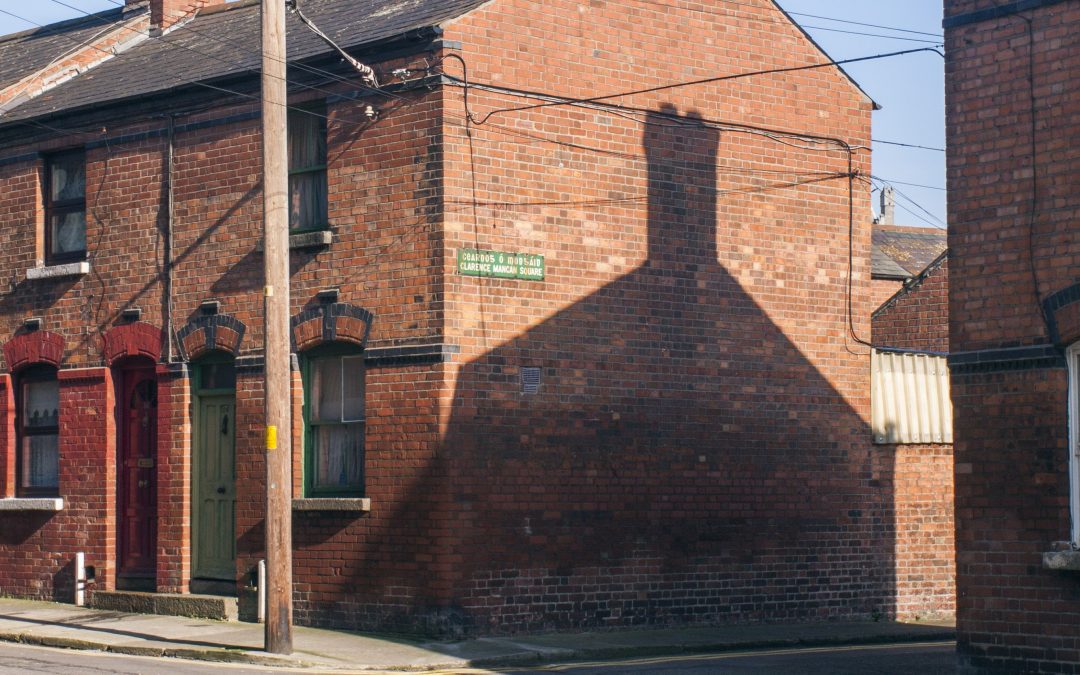
House hunting in Cork right now often comes down to a choice. On one side, a bright, energy efficient new build with an A or B rating and a price tag to match. On the other, a characterful older home with a D or E rating and a much more tempting asking price. It’s easy to assume the older home just needs a bit of attic insulation and a new boiler to catch up. Often, that’s not quite the full story.
More often than not, a low BER on an older property is telling you something about the building itself, not just its heating bills. And that’s where a structural engineer’s eye can be just as useful as the energy assessor’s when you’re trying to work out what a home will really cost you.
What a BER rating actually tells you (and what it doesn’t)
A Building Energy Rating, or BER, measures how energy efficient a home is, on a scale from A to G. It’s a legal requirement for any home being sold or rented in Ireland, and it’s a useful starting point for comparing properties. BER certificates are issued only by SEAI registered assessors, and that’s not something BCE does or has any involvement in.
What a BER rating doesn’t tell you is the underlying condition of the property. It won’t tell you whether the walls, roof, or foundations are sound, or whether getting that home up to a decent standard is a straightforward insulation top-up or something more involved. Two homes with the same D rating can be in very different states of repair.
Why older Cork homes so often land on a low BER
A large share of Cork’s housing stock predates modern building regulations and insulation standards, particularly in older city neighbourhoods like Sunday’s Well, Montenotte, St Luke’s, and Blackrock, where you’ll find plenty of Victorian and Edwardian era homes still in daily use. A survey will often turn up a familiar list of culprits: solid stone or block walls with no cavity insulation, damp coming in somewhere, poor or missing roof insulation, draughty original windows, and heating systems well past their best.
The point worth taking on board here is that a low BER on an older home is rarely down to one simple fix. It’s usually a combination of structural and fabric issues working together, and it’s worth understanding which ones you’re actually dealing with before you commit to a price.
Why this matters for your budget as a buyer
A D or E rated home can look like a bargain next to a newer, higher rated one. But bringing a property up to a decent standard, insulation, ventilation, and sometimes structural work to deal with damp, can easily run to a five-figure sum once you add it all up.
The Cork market is already pricing this in. Estate agents across Cork have reported that A-rated properties are now commanding price increases of around 10% in the city and 15% across the county compared to similar C-rated homes. Buyers are clearly factoring energy performance into what they’re willing to pay, and with stock remaining tight across the county, there’s less room to simply walk away and find something better rated down the road.
Understanding what’s actually driving a low rating gives you something to work with. It puts you in a stronger position to negotiate, or at the very least to budget realistically, rather than being caught out six months after you’ve moved in.
Where a pre-purchase survey fits in
A structural survey doesn’t replace a BER assessment, and it’s not trying to. What it does is explain the physical condition sitting behind the number. Damp, gaps in insulation, the state of the roof, and any unauthorised alterations that could complicate future retrofit work are all things a survey picks up that a BER cert won’t flag.
It’s also worth knowing that new planning exemptions introduced in July 2026 make it easier to add external wall insulation or install a heat pump without planning permission. That’s good news for anyone planning energy upgrades, but it’s still worth knowing what’s structurally feasible on a particular property before you factor those works into your plans.
If you’re weighing up an older home and the BER has you wondering what you’re really taking on, get the structural picture first. It tends to save a lot of guesswork later.
Get in touch
If you’re considering an older Cork property and want to understand what’s really behind its energy rating, get in touch with our team for an independent pre-purchase survey.

Recent Comments